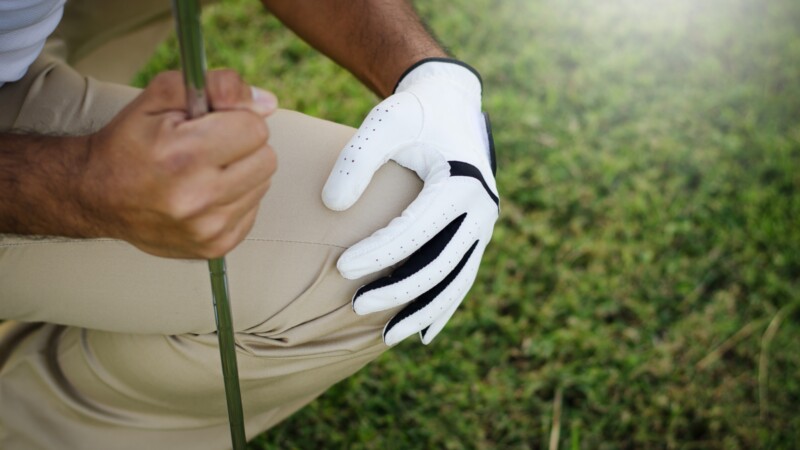
(NC) If you’re like most golfers, your goal is simple: get as many rounds in as possible each season and keep playing for years to come. But knee pain can slowly begin to interfere with the game you love.
Symptoms such as stiffness, swelling, or persistent discomfort can be early indicators of knee osteoarthritis (OA). It’s a common but painful and potentially debilitating breakdown in joint tissue that affects millions nationwide, according to Health Canada. What may start as a minor annoyance can make it harder to walk the course, complete a full round or play as often as you’d like.
Here are some tips to help you take a few strokes off of your knee maintenance game and enjoy the links for longer:
- Warm up before tee-off: Getting your muscles moving before a round can help prepare your knees for the course. A few dynamic movements, such as marching in place, leg swings or easy practice swings, can help increase blood flow and loosen stiff joints before you tee off.
- Regular stretching: Doing some light stretching before each round can help protect your joints. Simple stretches targeting your calves, hamstrings and quadriceps at the tee block or practice area can improve your flexibility and help you move comfortably throughout your round.
- Build strength off the course: Strengthening the muscles around the knee can help improve mobility and reduce strain during the game. Exercises like bodyweight squats, step-ups on a staircase or brisk walking can help build strength and stability over time. Small but consistent efforts can really add up.
- Rest and recovery: After each round, it’s important to give your body time to rest and recover. This can help reduce soreness and keep you ready for your next game.
- Talk to a healthcare provider early: If you’re experiencing knee pain, it’s important to have a conversation with a healthcare provider. They can help identify the cause and discuss newer treatment options, like Arthrosamid, a single-injection hydrogel. It’s the first of its kind in Canada, and works by integrating into the joint lining to support lasting improvements in mobility, range of motion and joint comfort for up to five years.
Looking after your knees, staying proactive and addressing early signs of knee OA can allow you to keep doing what you enjoy every season. You can learn more about your treatment options, including whether Arthrosamid may be right for you, by speaking with your healthcare provider.