(NC) The warm seasons are a wonderful time for many Canadians, but it’s important to have fun safely. The heat carries the risk of illnesses like heat exhaustion and heat stroke. Heat illnesses can affect you quickly and are mainly caused by overexposure to heat or overexertion in the heat.
Heat stroke can even lead to death, so learning how to spot the signs of heat illnesses can help save a life.
Who’s at risk during extreme heat?
Extreme heat can affect everyone’s health, and some people are at an especially high risk of heat exhaustion and heat stroke.
Health risks are greatest for:
- older adults
- infants and young children
- people with chronic illnesses (like breathing problems, mental illness and heart problems)
- people who are unable to keep their living space cool
- people who work in the heat (indoors or outdoors)
- people who exercise in the heat (indoors or outdoors)
- people experiencing homelessness
- people with low incomes
What are the signs of heat illnesses?
Watch for symptoms of heat exhaustion, which include:
- headache
- nausea or vomiting
- dizziness or fainting
- rapid breathing and heartbeat
- extreme thirst (dry mouth or sticky saliva)
- decreased urination with unusually dark yellow urine
- changes of behaviour in children (like sleepiness or temper tantrums)
If you have any of these symptoms during extreme heat, move to a cool place and drink liquids right away. Water is best.
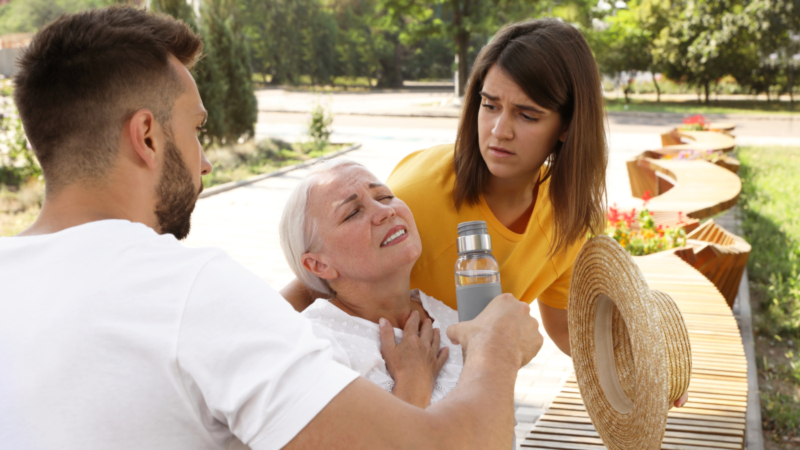
Watch out for the signs and symptoms of heat stroke—it's a medical emergency:
- high body temperature
- confusion and lack of coordination
- dizziness or fainting
- very hot or red skin
If you or anyone in your care experiences any of these signs and symptoms, call 911 immediately. While waiting for help, cool the person right away by:
- fanning the person as much as possible
- moving them to a cool place, if you can
- applying cold water to large areas of their skin or clothing
How can you prevent heat exhaustion and heat stroke?
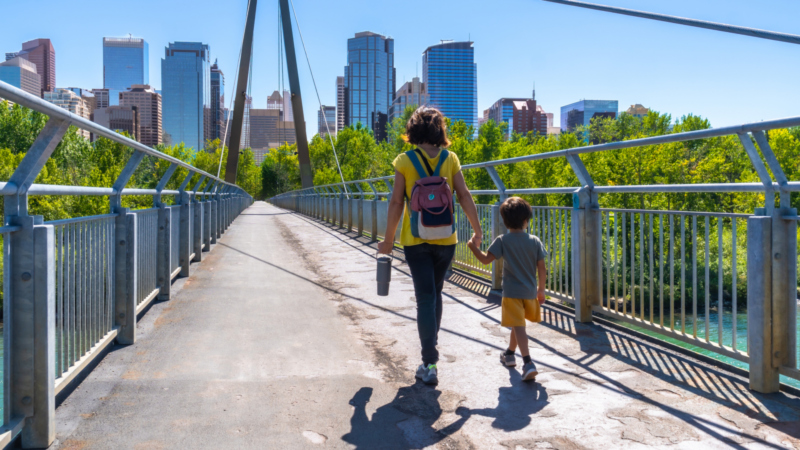
Stay cool and hydrated. Drink plenty of water before you feel thirsty. Thirst isn’t a good indicator of dehydration. By the time you feel thirsty, you’re already dehydrated.
Take a break from the heat by spending time in a cool place. It could be a tree-shaded area, swimming pool or an air-conditioned spot such as a shopping mall, grocery store, place of worship or public library.
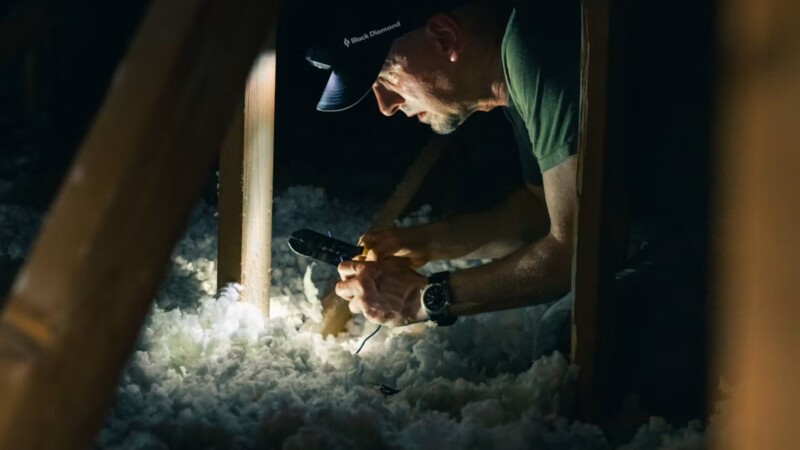
You can become too hot outdoors or indoors. If you have an air conditioner, be sure to turn it on before it gets hot.
By staying alert and aware for the signs of heat exhaustion and heat stroke, you can help keep your family safer. Learn more at canada.ca/heat.